Loading...
Texas · Guided Tours
San Antonio Tours & Things to Do — 2026
Where the Alamo stands and the River Walk flows
Expert-Curated Selection · Only the Highest-Rated Experiences · By the Award-Winning USA Guided Tours Team
San Antonio Ghost & Haunted Tours
San Antonio is regularly called one of the most haunted cities in America, and the after-dark tours have real material to work with. The 1836 Alamo battle left the old town center with a long history of reported hauntings, and the stories carry through the Menger Hotel, the former downtown jail and cemeteries, and the stretches of the River Walk that predate the modern paseo. Ghost and haunted walks — and the narrated ghost-bus tours that cover more ground — trace those sites after dark, treating the battlefield history with the weight it deserves. These are small-group and guide-driven, so the guide makes the tour; read recent reviews before you book. They run year-round and pick up hard around Halloween.
San Antonio River Walk & Water Tours
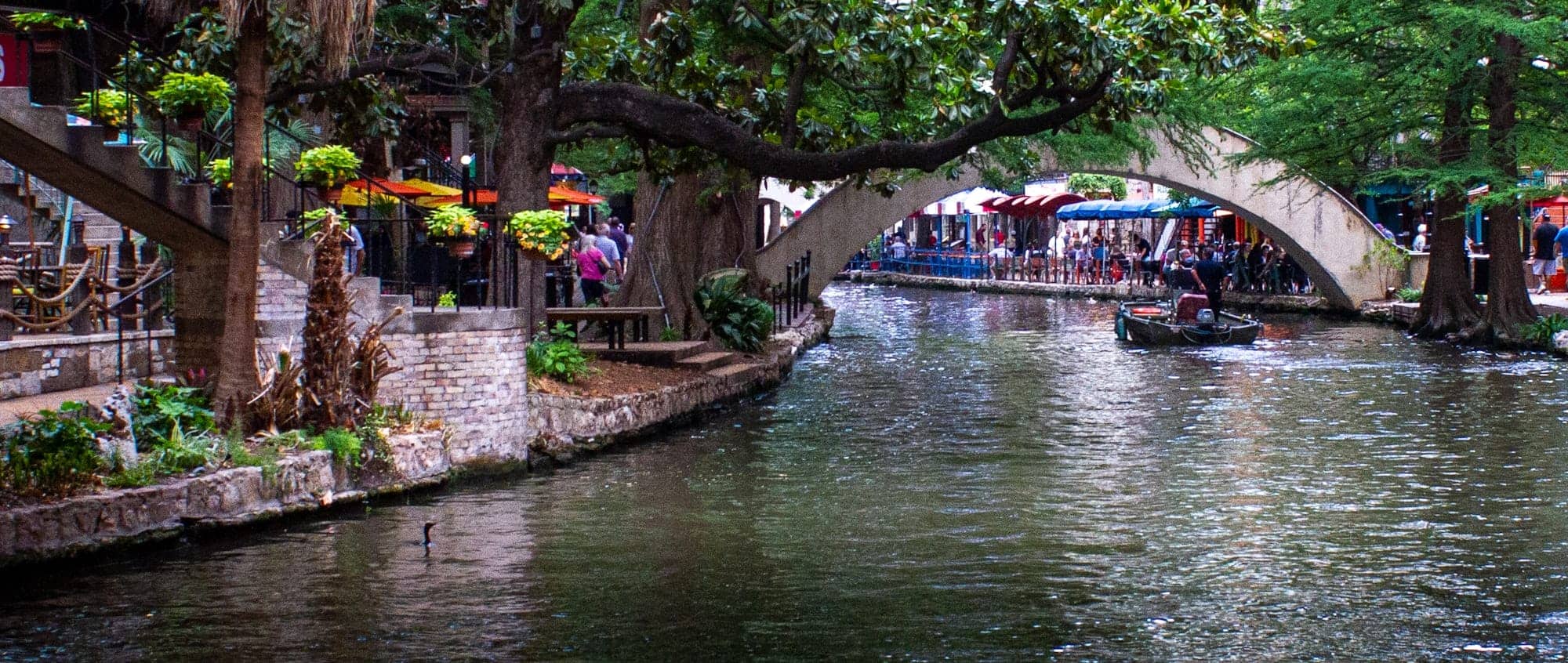
The River Walk is the heart of San Antonio, and the best way into it is on foot with a guide — a guided walk traces the arched stone bridges, the cypress-shaded paseo one level below the streets, and the history of how the river was saved and shaped into the walkway you see today. Guided walking and food tours use the River Walk as their spine, linking downtown to the Pearl and the King William district, and one folds in the classic barge cruise so that guided walk gives you the story on foot and the loop from the water. The barge itself is a city-run concession you can also board directly at the water, and kayaking the quieter Mission Reach to the south is arranged with the local paddle outfitters. Mornings and early evenings are the most comfortable along the water.
San Antonio Bus, Trolley & City Sightseeing Tours
San Antonio's landmarks are spread across downtown and out to the south, so a hop-on-hop-off bus or trolley loop is the efficient first move — one route links the Alamo, the River Walk, the Pearl, Market Square, and the King William historic district, with the history narrated between stops. It's also the guided way to see the Alamo and the Spanish colonial Missions: we don't sell the Alamo's free admission or the National Park Service mission grounds, but a sightseeing loop gets you to them with the context that makes the sites make sense — the 1836 siege at the Alamo, and the four active mission churches downriver that, with the Alamo, form a UNESCO World Heritage Site. For first-time visitors it's the fastest way to fit the whole city into a day.
4.7· 148
San Antonio: Hop-On Hop-Off Narrated Trolley Tour
From $54.07Check availability →
Curated July 2026
4.5· 249
San Antonio: UNESCO World Heritage Missions Tour
From $65Check availability →
Curated July 2026
4.6· 187
San Antonio Premium City Tour with Alamo & River Walk Cruise
From $159Check availability →
Curated July 2026
San Antonio Wine & Hill Country Day Trips
The Texas Hill Country begins just north of the city, and a guided wine day trip is the easy way to see it — the tasting rooms and vineyards along the Highway 290 wine trail have made this one of the fastest-growing wine regions in the country. Most trips anchor on Fredericksburg, the German-heritage town at the center of it, pairing a few wineries with the Main Street shops and the peach stands in season. The guided version handles the hour-each-way driving so the group can actually taste, and it turns a scattered region into an easy full day out of San Antonio. Weekends book up first, especially in spring wildflower season and the fall harvest.
Things to Do in San Antonio
Beyond the guided tours, San Antonio packs the River Walk, the Alamo and the Spanish colonial Missions, a UNESCO-recognized Tex-Mex food scene, and the Hill Country wine trail just north of town into one walkable, history-deep city. Here is how to make the most of a trip — from the paseo del rio and the Missions to the Pearl and Fredericksburg.
The River Walk & Downtown
The River Walk is San Antonio's signature — a cypress-shaded paseo a level below the streets, linking downtown to the Pearl and the King William district by footpath, with the classic barge cruise gliding the loop between. Guided walking and food tours use it as their spine, and one folds in the barge cruise so that walk covers it on foot and from the water. For a different angle, downtown bike tours and helicopter flights over the river and the Tower of the Americas are arranged directly with the local operators, and kayaking the quieter Mission Reach to the south runs with the paddle outfitters. It's the first thing to do and the easiest way to orient yourself in the city.
The Alamo & the Missions
The Alamo anchors downtown — the site of the 1836 siege and a memorial that's free to enter, best understood with a guided sightseeing tour that supplies the history. Four more Spanish colonial missions line the river to the south; together with the Alamo they form San Antonio Missions National Historical Park, a UNESCO World Heritage Site, and they remain active parish churches. A city or trolley loop is the practical way to see them across a day.
Tex-Mex, the Pearl & Craft Beer
San Antonio is a UNESCO Creative City of Gastronomy and the home ground of Tex-Mex — puffy tacos, barbacoa, and enchiladas best explored on a downtown or River Walk food tour. The Pearl, a former brewery turned food hall and farmers'-market district, is the modern counterpoint, and the city's craft-beer scene has grown up around its independent taprooms.
Best Time to Visit
Spring (March–May) is the sweet spot — wildflowers in the Hill Country, comfortable days on the River Walk, and Fiesta filling the calendar in April. Fall brings the wine harvest north of the city and easier heat. Summers are hot and humid, so tours cluster in the mornings and evenings; winters are mild and quiet. Ghost tours run year-round and peak around Halloween.
Frequently Asked Questions
What's the best tour to do in San Antonio?
For most visitors it's a River Walk experience — a guided walking or food tour along the paseo, paired with the classic barge cruise that glides the downtown loop. Close behind is an after-dark ghost tour: San Antonio is one of the most haunted cities in the country, and the Alamo-and-downtown history gives the tours real material. A hop-on-hop-off or trolley loop is the practical pick if you want to fit the Alamo, the Missions, and the Pearl into a single day.
How do I see the San Antonio River Walk?
Two ways, and they pair well. On foot, a guided walking or food tour traces the arched bridges and the cypress-shaded paseo and links downtown to the Pearl and King William — that's the way to get the stories behind what you're passing, and one of these tours folds in the barge cruise so you also get the downtown loop from the water. The barge is a city-run concession you can board directly as well, and kayaking the quieter Mission Reach to the south is arranged with the local paddle outfitters. Mornings and early evenings are the most comfortable along the river.
Do I need a ticket to visit the Alamo?
General admission to the Alamo grounds is free — you don't need to buy a tour to walk in. What a guided tour adds is the context: the 1836 siege, the mission-era history, and how the site fits with the four Spanish colonial missions downriver that, together with the Alamo, make up a UNESCO World Heritage Site. The easy way to see all of them in a day is a city sightseeing or trolley loop, which drives past the Alamo and out to the Missions with the history narrated along the way.
What are San Antonio ghost tours like?
They're small-group, on-foot (or on a narrated ghost-bus), and story-driven, working the downtown core after dark — the Alamo battlefield, the historic Menger Hotel, the old jail and cemeteries, and the older stretches of the River Walk. San Antonio has a genuine haunted reputation, so there's real history under the stories, and the good tours treat the battlefield past with respect rather than shock. Because the guide makes the tour, it's worth reading recent reviews before booking. They run year-round and are busiest around Halloween.
Can I do a Hill Country wine day trip from San Antonio?
Yes — the Texas Hill Country starts just north of the city, and guided wine day trips are the easy way to see it. Most anchor on Fredericksburg, the German-heritage town at the center of the Highway 290 wine trail, pairing a few wineries with the town's Main Street. The guided version handles the hour-each-way driving so the group can taste, turning a scattered region into a full day out of San Antonio. Weekends book up first, especially in spring wildflower season and the fall harvest.
Curated by Darko Marsalek
Booking links may be affiliate links; we may earn a commission at no cost to you.