Loading...
Louisiana · Guided Tours
New Orleans Tours & Things to Do — 2026
Jazz, culture, and flavors you won't forget
Expert-Curated Selection · Only the Highest-Rated Experiences · By the Award-Winning USA Guided Tours Team
New Orleans Swamp & Bayou Tours
The swamp tour is the definitive New Orleans day out beyond the city — a run out into the cypress bayous and wetlands of the Barataria Preserve and Honey Island, where alligators, herons, and wild boar live among the Spanish moss. How you go changes the trip: airboats are fast and loud and cover more water, while a quieter pontoon cruise lets the wildlife come to you and the guides get deeper into the ecology. Kayak paddles run the backwater too, for the more adventurous. Most tours include round-trip transport from the French Quarter, so the whole thing works as a half-day. It's the single most-searched New Orleans tour, and the wildlife is most active in the warmer months.
 4.9· 2.7k
New Orleans: High Speed 16 Passenger Airboat Ride
From $65Check availability →
Curated July 2026
 4.7· 1.7k
New Orleans Manchac Bayou Swamp Cruise W/ Optional Pick-Up
From $35Check availability →
Curated July 2026
 4.9· 968
New Orleans: High Speed 9 Passenger Airboat Tour
From $89Check availability →
Curated July 2026
New Orleans Ghost, Vampire & Voodoo Tours
No city wears its dark history like New Orleans, and the after-dark tours are among its most distinctive. Ghost and haunted tours walk the French Quarter's most notorious addresses and the stories behind them; vampire tours trace the city's literary and folklore connection to the undead; and voodoo tours follow the real history of the religion and figures like Marie Laveau, separating the practice from the Hollywood version. These are small-group, on-foot, and story-driven, so the guide makes the tour — read reviews before booking. They run year-round and peak, unsurprisingly, around Halloween.
 4.5· 3.1k
New Orleans Haunted Ghost, Voodoo & Vampire Walking Tour
From $33Check availability →
Curated July 2026
 4.5· 1.1k
New Orleans: French Quarter Ghost Tour with Interior Visit
From $30Check availability →
Curated July 2026
 4.7· 487
New Orleans: Voodoo Queen Tour of French Quarter
From $26Check availability →
Curated July 2026
New Orleans Cemetery Tours
New Orleans buries its dead above ground, and the results are the famous "cities of the dead" — dense blocks of stone tombs and family vaults that read like open-air history. A guided cemetery tour is the way to understand them: the burial customs, the notable residents, and the reasons the tombs sit above the water table. It's also the only way into some of them — St. Louis Cemetery No. 1 has required visitors to enter with a licensed guide since 2015, so a guided tour is the practical route, not just the enriching one. Tours cover the history and the architecture; some pair the cemetery with a Garden District or French Quarter walk.
 4.6· 1.8k
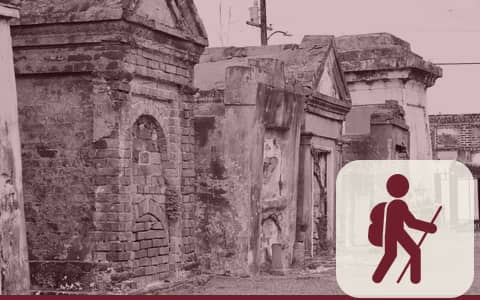
New Orleans: Walking Tour Inside St. Louis Cemetery No. 1
From $25Check availability →
Curated July 2026
 4.5· 1.8k
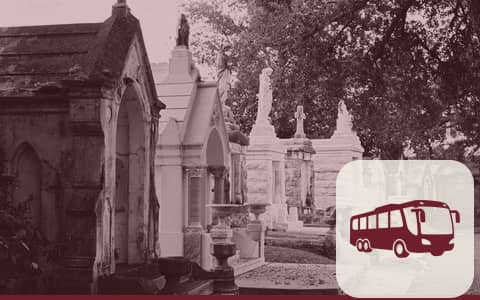
New Orleans: Cemetery Bus Tour At Dark with Exclusive Access
From $36Check availability →
Curated July 2026
 4.6· 639
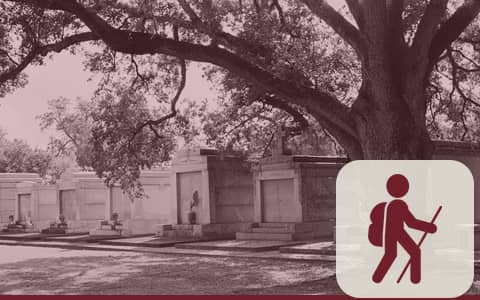
New Orleans: Cemetery Tour
From $28Check availability →
Curated July 2026
New Orleans Food & Cocktail Tours
New Orleans is one of the great food cities in the country, and a guided food tour is the fastest way into its Creole and Cajun table — gumbo and jambalaya, po'boys, beignets and chicory coffee, and the immigrant and Caribbean threads that built the cuisine. Hands-on cooking classes take it a step further, teaching the roux and the holy trinity behind the classics. And because the city is a serious birthplace of the American cocktail — the Sazerac, the Ramos gin fizz — a cocktail-history tour traces the drinks and the bars where they were invented. Walking food tours pace the tastings so you actually finish standing up.
 4.9· 851
New Orleans: French Quarter Food History Walking Tour
From $85Check availability →
Curated July 2026
 4.9· 821
New Orleans: Cajun and Creole Cooking Class
From $43Check availability →
Curated July 2026
 4.9· 197
New Orleans: Combo Cocktail and Food History Tour
From $160Check availability →
Curated July 2026
New Orleans French Quarter & Garden District Walking Tours
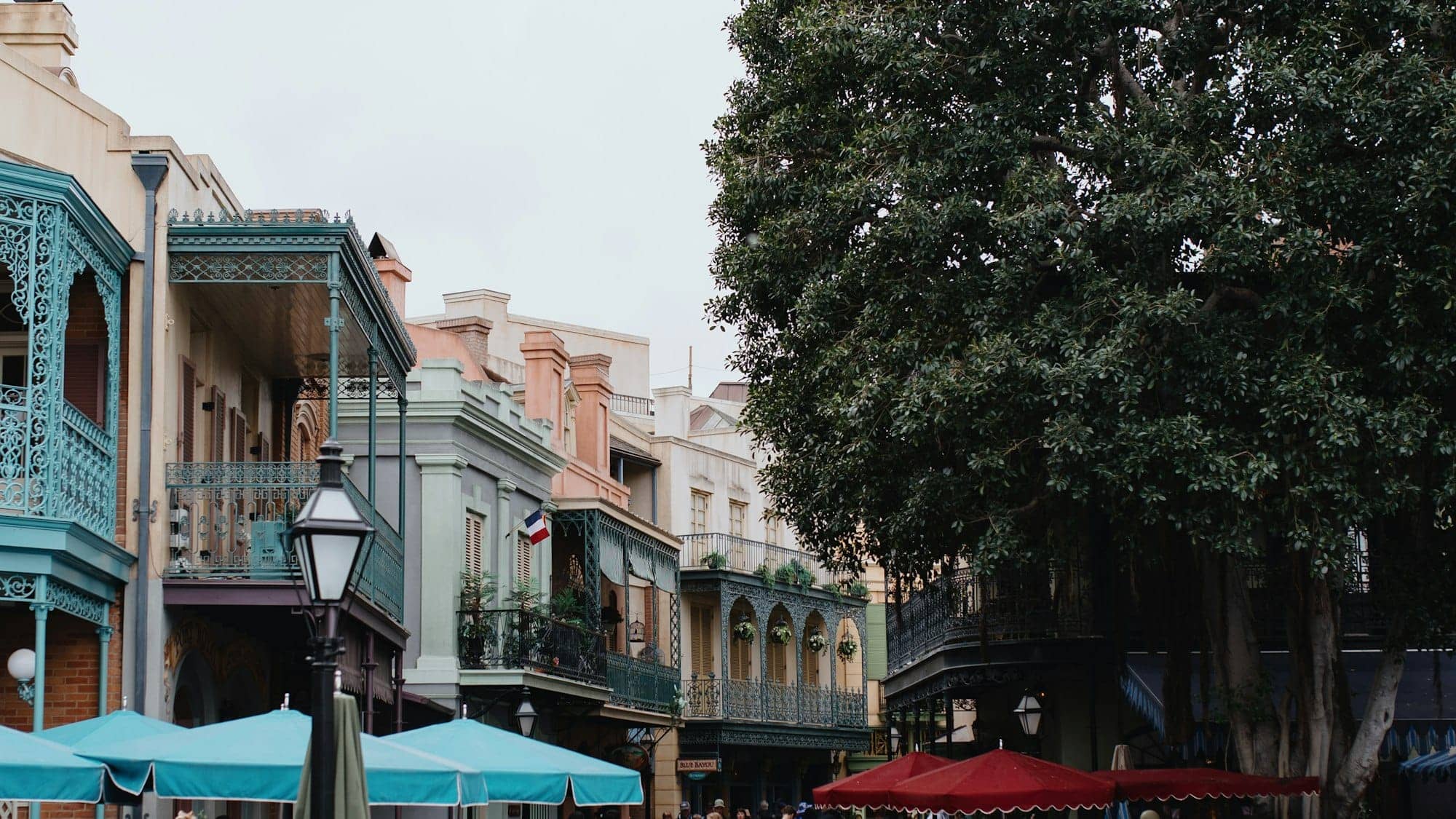
New Orleans is a walking city, and its two most rewarding neighborhoods reward it most. The French Quarter packs the wrought-iron balconies, Creole townhouses, and three centuries of history into a walkable grid, while the Garden District trades it for grand 19th-century mansions and oak-lined avenues. Guided walks cover the architecture, the history, and the literary connections a map won't give you. You'll find plenty of tip-based free walking tours of the highlights, and they're a fine first pass — but a paid small-group walk buys a capped group size and a guide who goes deeper than the greatest-hits script. If you want more than the headline sights, it's the upgrade worth making.
 4.9· 619
New Orleans: Garden District Guided Walking Tour
From $35Check availability →
Curated July 2026
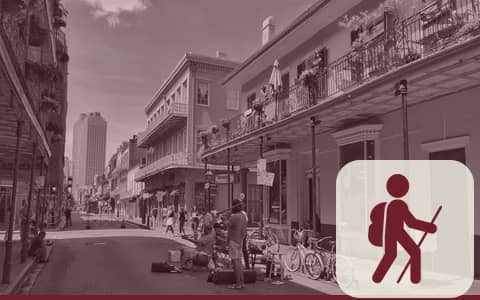 4.8· 1.4k
French Quarter Walking and Storytelling Tour
From $33Check availability →
Curated July 2026
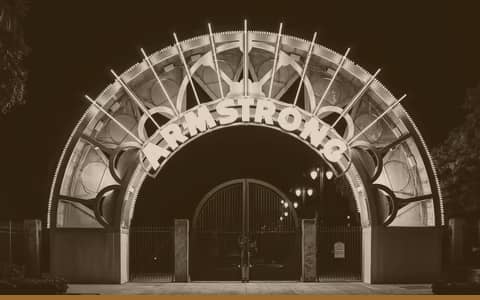
African American & Creole Heritage
New Orleans: Tremé African American & Creole History Tour
105-minute guided walkReserve this tour →
New Orleans City & Bus Tours
To cover the whole city in a day rather than one neighborhood on foot, a bus or hop-on tour is the efficient move — one loop links the French Quarter, the Garden District, City Park, and the sights strung between them, with narration filling in the history along the way. Horse-drawn carriages still clip through the French Quarter at a slower, old-fashioned pace. And for the city from the water, a Mississippi River paddlewheel cruise adds jazz and the working riverfront to the mix — an easy add-on to a day of sightseeing. Hop-on routes suit a first orientation; the river cruise is the more leisurely companion.
 4.8· 1.6k
New Orleans: Sightseeing Bus Tour
From $44Check availability →
Curated July 2026
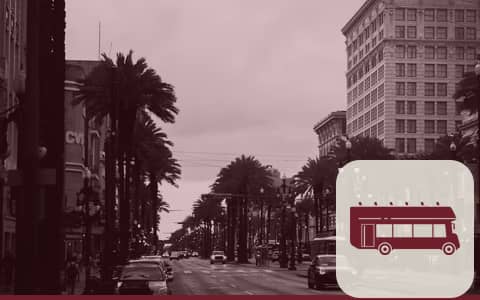 4.5· 1.2k
City Sightseeing New Orleans HOHO Bus Tour & Bookable Extras
From $51Check availability →
Curated July 2026
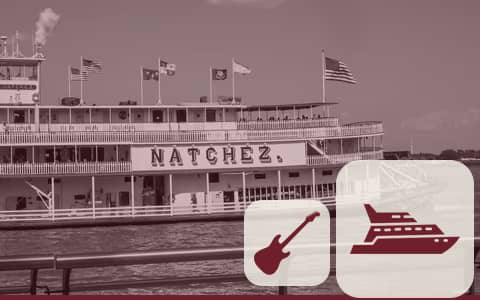 4.4· 5.2k
New Orleans: Evening Steamboat Jazz Cruise + Optional Dinner
From $58Check availability →
Curated July 2026
New Orleans Plantation & History Tours
The plantations along the Mississippi River west of New Orleans are among the most historically significant sites in the American South — the places where the region's wealth was built on the labor of enslaved people. A guided day trip from New Orleans is how most visitors reach them, and the sites take sharply different approaches to that history. Whitney Plantation is organized as a museum of slavery, telling the story from the perspective of the enslaved people who lived and died there; others, including Oak Alley and Laura, present their documented histories alongside the grounds. These are history and education day trips for visitors who want to engage seriously with this past. Plan for a half to full day, and choose the site whose interpretation matches what you came to understand.
These are sites of slavery. The people enslaved here — their labor, their lives — are the history these places exist to tell, and the sites' own historians tell it best. We point you to the guided visits below because reaching them from New Orleans means a booked day trip; that is the only role we play. Whitney is a museum of slavery; approach all of them as places to learn, not attractions.
Things to Do in New Orleans
Beyond the guided tours, New Orleans packs the French Quarter, the Garden District, the bayous, and one of America's great food-and-music cultures into a single walkable city. Here is how to make the most of a trip to the Crescent City — from the swamp and the river to the neighborhoods most visitors never leave the Quarter to find.
The French Quarter & Beyond
The French Quarter is the historic core — Jackson Square, St. Louis Cathedral, the balconied Creole townhouses, and the music spilling out of Frenchmen Street after dark. Beyond it, the Garden District holds the grand 19th-century mansions and the above-ground cemeteries, City Park has the sculpture garden and the oaks, and the Marigny and Bywater have the neighborhood music and food scenes. Much of the core is walkable; a bus or streetcar covers the distance between districts.
The Bayous & the River
Ring the city and the wetlands begin fast: the cypress swamps and bayous of the Barataria Preserve and Honey Island, reachable on a half-day swamp tour by airboat, pontoon, or kayak. The Mississippi River itself runs through the city, and a paddlewheel riverboat is the classic way to see the working riverfront. West along the river are the historic plantations — sites of slavery now interpreted as history and, at Whitney, as a museum of that history.
Food, Music & Nightlife
New Orleans runs on its food and its music. The Creole and Cajun kitchen — gumbo, jambalaya, po'boys, beignets — is best explored on a food or cooking tour, and the city's cocktail history (the Sazerac, the Ramos gin fizz) supports its own cocktail tours. Live music is everywhere, from the brass bands of the Quarter to the clubs of Frenchmen Street. It's a late city; plan the eating and the music for the evening.
Best Time to Visit
Spring is peak New Orleans — Mardi Gras (February–early March) and Jazz Fest (late April–May) are the marquee events, with mild weather and the biggest crowds and prices. October is the sweet spot for ghost and cemetery tours around Halloween, with cooler air. Summer (July–September) is hot, humid, and hurricane season — the quietest, lowest-price stretch, when the swamp and walking tours are hardest going. Fall and early winter are comfortable and quieter.
New Orleans Travel Guides
- Planning your days in New Orleans? 2 Days in New Orleans: A Route Through the Quarter and Beyond
Frequently Asked Questions
What's the best New Orleans tour to do first?
For most visitors it's a swamp tour — a half-day run into the cypress bayous outside the city to see alligators and wetland wildlife, by airboat, pontoon, or kayak, usually with transport from the French Quarter. In the city itself, a ghost or cemetery tour is the most distinctive New Orleans experience, and a food or cooking tour is the fastest way into the Creole and Cajun table. If you only have time for one, the swamp tour is the outing you can't recreate anywhere else.
Do I need a guide to visit the New Orleans cemeteries?
For some of them, yes. St. Louis Cemetery No. 1 — the oldest and most famous, with Marie Laveau's tomb — has required visitors to enter with a licensed guide since 2015, so a guided cemetery tour is the practical way in, not just the more informative one. Tours cover the above-ground burial customs, the notable residents, and why the tombs sit above the water table. Some pair the cemetery with a Garden District or French Quarter walk.
Are New Orleans ghost and voodoo tours worth it?
They're one of the things New Orleans does best. Ghost and haunted tours walk the French Quarter's most notorious sites and their histories; vampire tours trace the city's literary and folklore connections; and voodoo tours follow the real history of the religion and figures like Marie Laveau, separating the practice from the Hollywood version. They're small-group, on-foot, and story-driven — the guide makes the tour, so read reviews — and they peak around Halloween.
Can I take a plantation tour from New Orleans, and how are they framed?
Yes — the historic plantations along the Mississippi River are a guided day trip west of the city, and they take sharply different approaches to their history. Whitney Plantation is organized as a museum of slavery, told from the perspective of the enslaved people who lived there; others, like Oak Alley and Laura, present their documented histories alongside the grounds. These are history and education day trips — plan for a half to full day and choose the site whose interpretation matches what you want to understand about this part of American history.
How do I get around New Orleans to see the sights?
The French Quarter and Garden District are best on foot, and the historic streetcars connect the neighborhoods along St. Charles and Canal. To cover the whole city in a day, a hop-on bus or city tour links the Quarter, the Garden District, and City Park with narration between stops. Horse-drawn carriages still work the Quarter at a slower pace, and a Mississippi River paddlewheel cruise adds the city-from-the-water angle.
Curated by Darko Marsalek
Booking links may be affiliate links; we may earn a commission at no cost to you.